

How to Maintain Magnetic Track Lighting Color Consistency Across Retail Stores
A new branch can use the same nominal 3000K lighting as the flagship store and still look different. Procurement teams need a shared color target, an approved fixture configuration and evidence that later deliveries meet the same requirements. To maintain magnetic track lighting color consistency across retail stores, carry those requirements from the first sample through production, installation and repeat orders. Link each result to the fixture version, batch and store where it applies.
Define Magnetic Track Lighting Color Consistency in the Purchase Specification
Record the target chromaticity and tolerance
Correlated color temperature (CCT) describes the warm or cool appearance of emitted light. A nominal CCT covers a range of color points. Sources with the same CCT can differ in their greenish or pinkish tint, described by Duv. Chromaticity coordinates provide a way to identify the color target more precisely. DOE LED Color Characteristics
If the specification uses SDCM, record the target center and permitted ellipse, the product covered and the test conditions. Signify’s LED systems guide describes SDCM for its complete LED modules. For the fixtures being purchased, request evidence covering the assembled luminaire and the agreed production scope. Ask how subsequent batches will be checked against the common target.
Add color rendering and viewing conditions
Color rendering describes how the source affects the appearance of objects. Include the project’s specified rendering metrics and assess representative merchandise, finishes and display materials during approval. Record the light level, aiming and viewing conditions used for that review. Beam angle, CCT and CRI guide
|
Purchase field |
What to record |
Evidence to request |
|
Fixture configuration |
Model, optic, CCT, driver and control version |
Approved schedule and configuration drawing |
|
Color target |
Target coordinates or agreed CCT and Duv requirements |
Specification with a named reference |
|
Color tolerance |
Metric, target center, limit and product scope |
Complete-fixture results under the agreed method |
|
Color rendering |
Specified metrics and merchandise used in review |
Report and sample approval record |
|
Control state |
CCT selection, dimming level and scene |
Recorded test settings |
|
Batch coverage |
Lot identity, sampling and repeat-order requirements |
Results linked to batch and delivery records |
Keep the Approved Fixture Configuration Traceable
Identify each fixture type on the same display
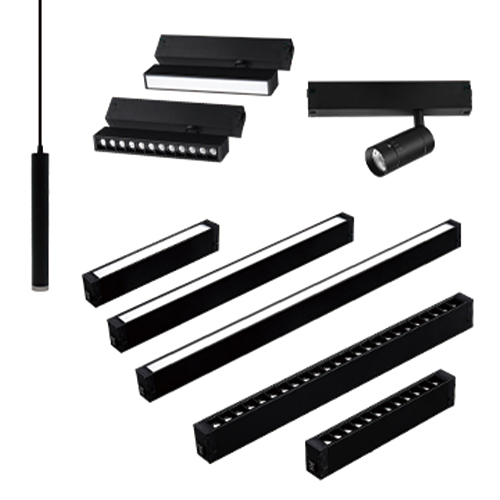
A retail display may combine spotlights, linear floods and grille modules. Give each type a separate schedule line, then evaluate their combined appearance where they illuminate the same surface. Record the exact model and optic with its power and control version. Sampo’s 48V range includes several module types, providing a starting point for identifying the proposed combinations. Sampo magnetic track lighting range
Include Sampo Certificates in the Supplier Review
Sampo’s product documentation includes CE-RED Certificate of Conformity CTSL2620930621EZ and RoHS Certificate of Compliance CTSL2620930622CZ, issued by CTSL Testing (Dongguan) Co., Ltd. in October 2026. Both name Foshan Sampo Lighting & Electrical Co., Ltd. as applicant and manufacturer. Their main models are S20-20DG and S20-24S respectively, with additional models listed. This model-linked third-party documentation supports a documented supplier review for a retail rollout. Keep the applicable certificates and supporting reports with the approved fixture configuration, color measurement results and reference-sample record for future orders.


Retain a documented reference sample
Assign each approved sample an ID and retain its configuration, measured values and acceptance record. Record operating hours and storage conditions. Before using it for a later comparison, check its condition and repeat the agreed measurements where needed. A supplier and buyer keeping separate samples should confirm that both represent the same approved target. Magnetic track lighting sample approval workflow
Check Production Batches Against a Common Reference
Agree the measurement and comparison conditions
Set the sampling method and measurement procedure before production inspection. Record the instrument and calibration status, stabilization conditions, measurement geometry, ambient conditions and control settings. Give each sampled fixture an ID. Use the agreed method for complete-fixture measurements so results from different production dates can be compared.
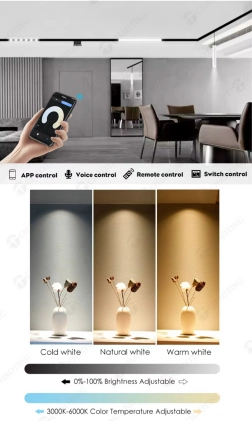
For adjustable products, specify the CCT setting and dimming level at which acceptance is assessed. Check additional operating scenes where the project requires them, and retain those results with the primary acceptance record.
Link results to batches and store allocations
Compare each batch with the common target and its stated limits. Keep the measured values with the sample IDs, fixture configuration and batch number. The delivery schedule should show which batches went to each store and zone. If a batch needs corrective action, those links let the project team identify the affected allocation and review it before installation.
Verify the Installed Lighting at Each Store
Check settings and the surrounding light
Start by checking the installed models and the selected CCT or programmed scene. Confirm that adjacent fixtures are operating in the intended state. Then review the area under the conditions specified for store acceptance, recording daylight, other lighting, wall finishes and the viewing position. Compare corresponding display zones across branches using the same review procedure.
The illustration below, supplied in Sampo’s Lebanon apparel-store case materials, shows a retail interior with display walls and a dark open ceiling. It provides a setting for locating review points on merchandise and adjacent surfaces.

Record a store acceptance result
For each review point, record the zone, fixture models, batch IDs, control state and observation or measurement result. Assign a person to investigate any difference and identify the evidence needed to close it. Keep photographs with the location record and capture conditions. Exposure, white balance and screen display affect photographic color, so use the agreed measurements and viewing assessment for the acceptance decision.
Recheck Repeat Orders and Replacement Modules
Compare new production with the approved target
On a repeat order, refer to the approved configuration and color target by revision. Ask the supplier to identify changes to the light source, optics, driver or controls and provide the agreed evidence for the new batch. Review any substitute against the areas it will serve before approving it. Magnetic track lighting project change control
Assess new fixtures alongside installed fixtures
Record the age, operating hours where known, condition and settings of installed fixtures before comparing them with new stock. LED products can change chromaticity over time as materials in the package or optical system change. Include the condition of the existing installation in the replacement review.
Consider a hypothetical apparel chain opening its fourth branch. Staff notice a color difference where a new linear module and spotlight illuminate a white wall. The team can work through the following record before deciding how to resolve it.
|
Review |
Evidence to record |
|
Check the configuration and settings |
Installed model, optic, driver version, selected CCT and operating scene |
|
Compare against the common target |
Batch IDs, complete-fixture results, reference values and acceptance limits |
|
Assess the site comparison |
Wall finish, surrounding light, review position and operating age of any existing fixtures |
|
Close the finding |
Agreed action, affected quantities and zones, recheck result and approval |
Frequently Asked Questions
Can two 3000K fixtures look different
Yes. A nominal 3000K designation allows a range of color points, and sources can have different tints within that range. Specify an agreed target and tolerance, then check the complete fixture under defined conditions. For a shared display, include the different fixture types together in the visual assessment.
Is a 3 SDCM specification enough for a retail rollout
Include the target center, product scope, measurement conditions and batches covered with the SDCM requirement. Confirm whether the evidence applies to the complete luminaire being ordered. The project team should also review the proposed combination in its display setting and agree how repeat orders will be verified.
How should replacement modules be matched to older fixtures
Identify the original configuration and color target, then record the installed fixtures’ settings, condition and operating age. Compare the proposed replacements under agreed conditions. If the existing fixtures have shifted in color, review the affected display area and agree the replacement scope using both the original target and the site findings.
What to Send Your Supplier Before a Retail Rollout
Send the store and zone schedule, fixture configurations, shared color target, tolerances and sample approval records. Include the operating scenes, delivery phases, expected repeat orders and complete-fixture reports required for acceptance. For a Sampo project, ask which configurations and verification records can be supplied against those requirements. Keep the confirmed version and batch records available for each branch and subsequent order. Contact Sampo about your retail lighting project


