

How to Choose a Magnetic Track Lighting System for Commercial Spaces: Retail Stores, Offices & Galleries
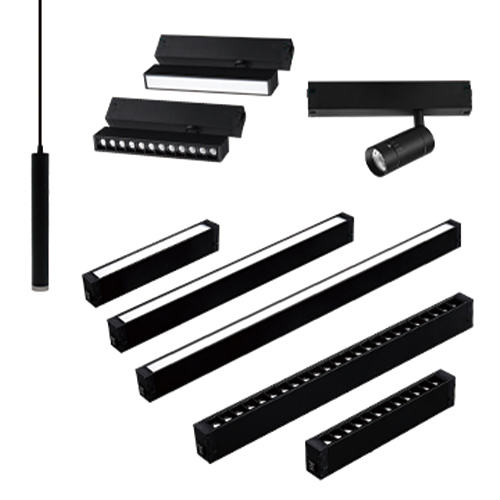
A magnetic track lighting system gives commercial buyers a practical way to build clean, flexible, and scalable lighting layouts for retail stores, offices, galleries, showrooms, hotels, and mixed-use interiors. Unlike fixed ceiling lights, magnetic track systems allow linear lights, spotlights, grille lights, floodlights, and pendant lights to be repositioned as the space changes. For procurement teams, contractors, and lighting wholesalers, the real question is not only whether the system looks modern. The key is whether it fits the ceiling structure, voltage plan, product display needs, maintenance schedule, and future expansion.
Why Magnetic Track Lighting Works for Commercial Spaces
Commercial interiors rarely stay the same for long. A fashion store may change wall displays every month. An office may convert meeting rooms into open work zones. A gallery may rebuild its lighting layout for each exhibition. Magnetic track lighting helps solve this problem because the track becomes a long-term lighting platform rather than a one-time fixture installation.
For retail lighting, adjustable magnetic spotlights can highlight shelves, mannequins, window displays, and checkout areas. For office lighting, magnetic linear light modules can create steady general illumination with a cleaner ceiling appearance. For gallery lighting, compact magnetic spotlights and high-CRI grille lights can give artwork a sharper, more accurate appearance. Sampo Lighting’s product categories include 220V magnetic track light systems, 48V magnetic track light systems, semi-flexible systems, T10 square tube lights, ultra-narrow systems, and ultra-thin magnetic track systems, giving buyers several options for different project conditions.
Key Factors Before Choosing a Magnetic Track Lighting System
Match the System to the Space Type
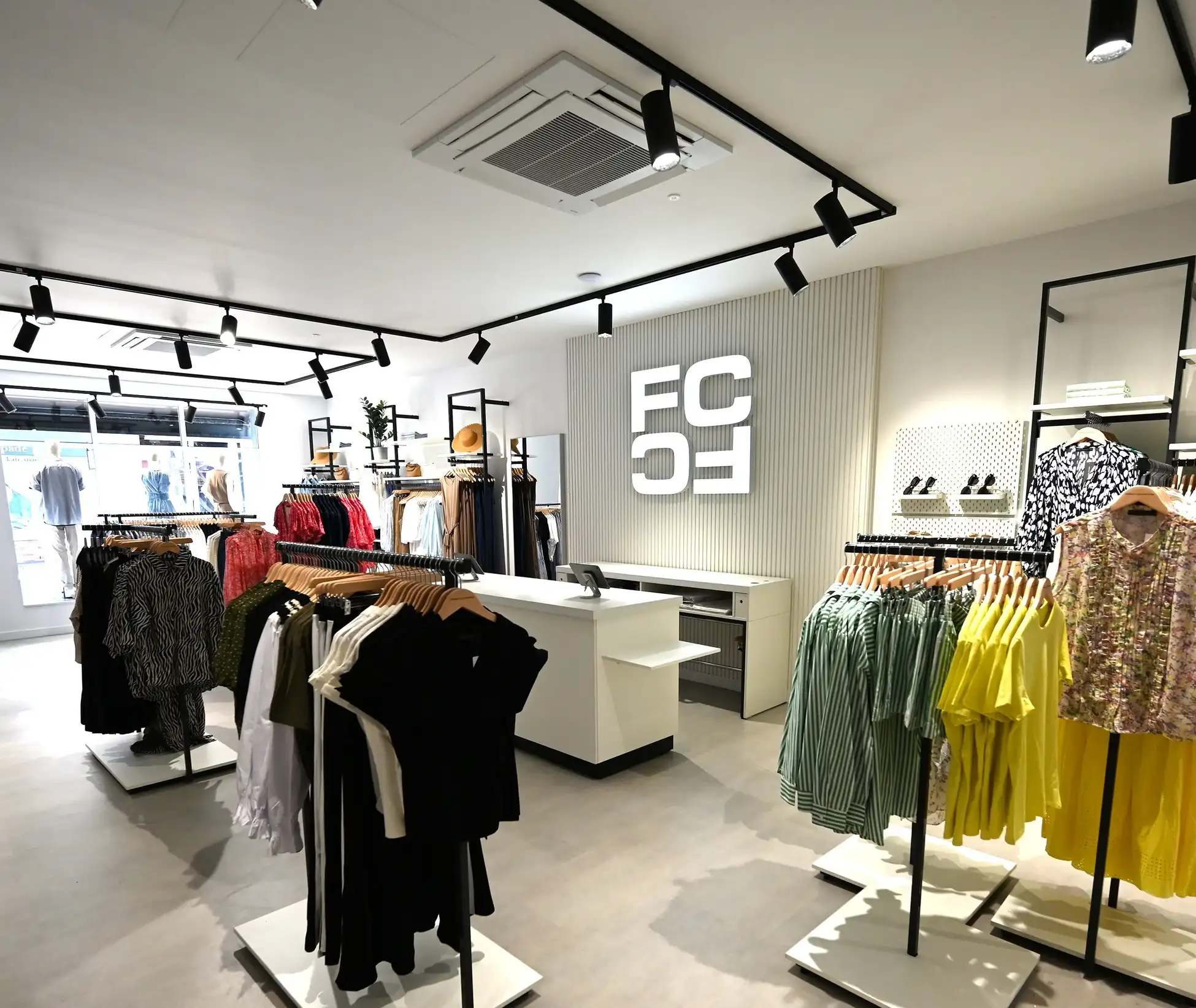
A retail store usually needs layered light. General lighting keeps the store bright, while accent lighting pulls attention to new arrivals, premium products, and promotional displays. In many shop lighting design projects, spotlights and linear floodlights are combined so merchandise does not look flat.
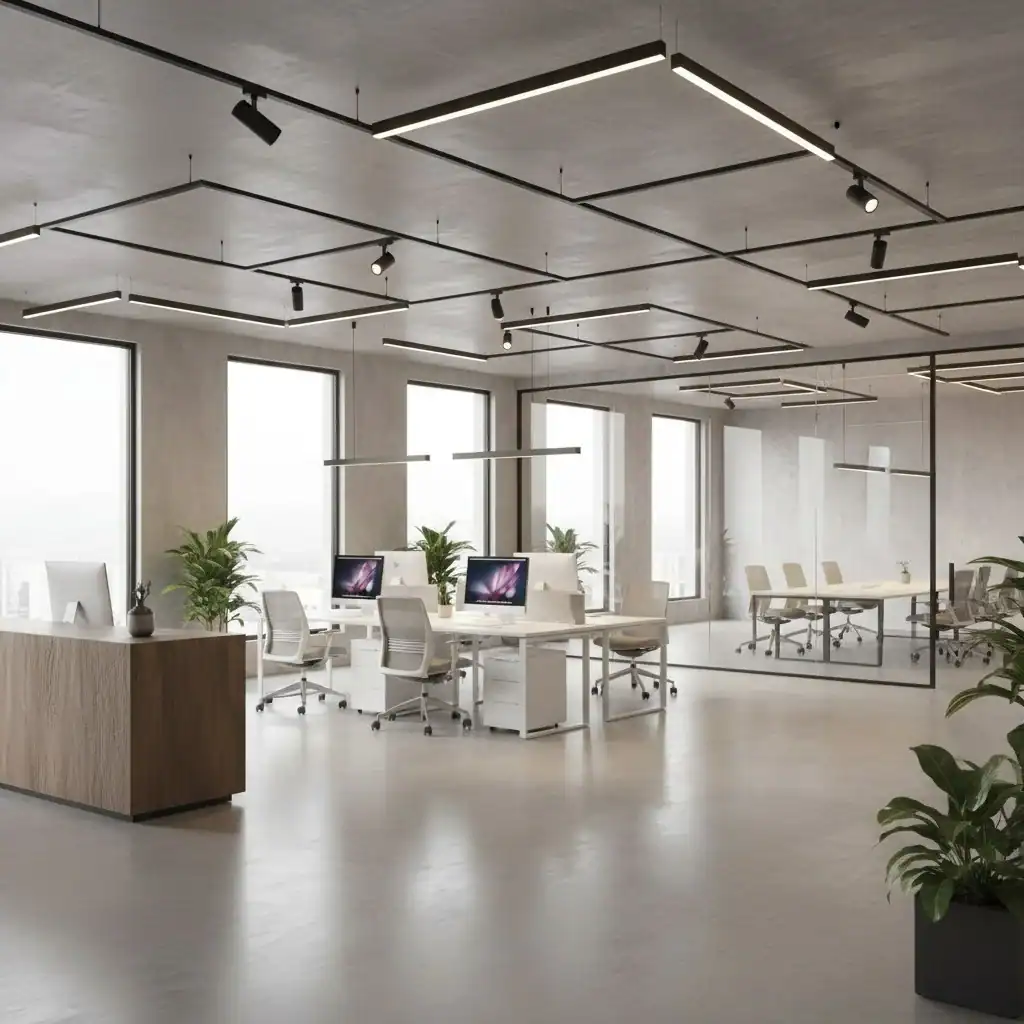
An office has different priorities. Low glare, visual comfort, and even brightness matter more than dramatic contrast. Magnetic linear lights are often suitable for work areas, corridors, and reception zones, while dimmable magnetic track lights can help meeting rooms shift between presentation mode and discussion mode.
A gallery or showroom needs more precise control. Beam angle, color temperature, and CRI should be reviewed carefully before bulk purchasing. Sampo Lighting’s 48V category includes museum-style magnetic spotlights, low-wattage spotlights, linear magnetic grille lights, dimmable lights, and products described with CRI 90Ra specifications, which makes this category especially relevant for display-focused interiors.
Choose the Right Track Type
The track installation method affects cost, ceiling work, delivery schedule, and final appearance. Recessed magnetic track light is often preferred for high-end retail stores, galleries, and luxury offices because the rail sits neatly into the ceiling. It looks refined, but it usually requires earlier coordination with ceiling contractors.
Surface mounted track lighting is easier for renovation projects, leased shops, and offices where the ceiling cannot be opened. It can reduce installation disruption and still provide a sharp architectural look. Suspended magnetic track lighting is useful for high ceilings, open offices, cafés, and commercial spaces where the lighting plane needs to be lowered closer to the working or display area.
Check Voltage, Power, and Fixture Compatibility
Buyers should not select magnetic track lighting only by appearance. Voltage and driver compatibility are common sources of installation trouble. A 48V magnetic track light system is widely used for low-voltage architectural lighting, while a 220V magnetic track light system may suit different project preferences depending on electrical design and local standards. Sampo Lighting lists both 220V and 48V magnetic track light system categories, which helps distributors and project buyers compare system direction at the sourcing stage.
Compatibility also matters. A project may require linear LED magnetic track lighting for base illumination, magnetic spotlights for accent lighting, magnetic pendant lights above counters, and floodlights for wider coverage. These modules should match the selected rail, power supply, and control method. Buying mixed parts without checking compatibility can lead to flicker, weak magnetic connection, color mismatch, or costly site rework.
Best Magnetic Track Lighting Solutions for Retail Stores
Retail stores need lighting that sells products without making the space feel harsh. For clothing, beauty, electronics, jewelry, and furniture stores, the lighting plan should guide customer attention from the entrance to the display wall, then to feature tables and checkout counters. Adjustable magnetic spotlights are useful for seasonal displays because the beam direction can be changed when shelves move.
For wholesale buyers, a practical retail lighting package may include recessed or surface mounted track rails, magnetic linear floodlights for general brightness, magnetic grille lights for product zones, and compact spotlights for window displays. Sampo Lighting’s product pages show options such as 6W and 9W magnetic flood fill lights, dimmable linear flood lights, grille spotlights, pendant lights, and rotatable magnetic track spotlights in the 220V category.
Best Magnetic Track Lighting Solutions for Offices
Office lighting should support concentration, communication, and brand image. A clean magnetic track lighting layout can make reception areas feel professional without adding visual clutter. In open work areas, long linear magnetic lights help distribute light evenly across desks. In meeting rooms, dimmable magnetic lighting can support video calls, presentations, and informal discussions.
For contractors and office project buyers, the safest decision is to separate functional zones before ordering. Workstations need soft, uniform illumination. Reception areas can use accent lighting to create depth. Corridors can use linear or flood modules for wayfinding. Executive rooms may combine pendant lights and spotlights for a more finished look.
Best Magnetic Track Lighting Solutions for Galleries
Gallery lighting is less forgiving than standard commercial lighting. Poor beam control can create uneven wall brightness, glare, or distracting shadows. A good gallery track lighting system should allow adjustable angles, consistent color temperature, and strong color rendering. Narrow beam magnetic spotlights work well for individual paintings or sculptures, while wider beam floodlights can cover large walls and open exhibition areas.
Ultra-narrow magnetic track light systems are especially useful where the lighting hardware should remain visually quiet. Sampo Lighting’s ultra-narrow category includes 24V/48V low-voltage surface mounted rails, recessed magnetic track rails in 1M/2M/3M lengths, ultra-slim magnetic spotlights, high-CRI COB grille fill lights, and OEM adjustable beam angle spotlights for art gallery, store, and retail lighting applications.
Common Mistakes to Avoid When Buying Magnetic Track Lighting
One common mistake is choosing the rail before studying the ceiling. Another is ordering fixtures from different systems and assuming they will fit together. Brightness is also easy to misjudge. A store with dark walls, tall shelves, or deep display cabinets needs more careful lumen planning than a white office corridor.
Color temperature should not be treated as an afterthought. Warm 3000K lighting can create a relaxed premium feel, while 4000K is often used for offices and modern retail interiors. Cooler options such as 5000K or 6000K may suit certain commercial tasks but can feel too sharp in hospitality or gallery settings. Sampo Lighting product listings include several CCT options such as 3000K, 4000K, 5000K, and 6000K across relevant magnetic track lighting products.
About Foshan Sampo Lighting & Electric Co., Ltd.
Foshan Sampo Lighting & Electric Co., Ltd. was founded in 2014 in Foshan, a major manufacturing city in the Guangdong-Hong Kong-Macaw Greater Bay Area. The company focuses on R&D, OEM, ODM, sales, and after-sales service for LED track lights, LED lighting tracks, LED downlights, and related parts. Its website states that the company has an industrial zone of around 29,800 square meters, a professional engineering team, and more than 200 experienced technicians.
For commercial lighting buyers, this background is important because magnetic track lighting projects often require more than a single product order. Rail lengths, fixture wattage, beam angle, color temperature, packaging, project documentation, and after-sales support all affect the final result. Sampo Lighting also describes global project experience, CE/UL/RoHS-related standards, voltage-adaptive design, and quality inspection practices on its company page.
Conclusion
Choosing the right magnetic track lighting system for retail stores, offices, and galleries starts with the project’s real lighting purpose. Retail spaces need flexible product highlighting. Offices need comfortable and balanced illumination. Galleries need accurate color, controlled beam angles, and clean visual presentation. For B2B buyers, the best decision comes from checking the track type, voltage, fixture compatibility, CRI, color temperature, beam angle, dimming method, and supplier support before placing a bulk order.
FAQs
Q1: How do I choose a magnetic track lighting system for a retail store?
A: Choose a magnetic track lighting system by mapping the store layout first. Use linear magnetic lights or floodlights for general brightness, then add adjustable magnetic spotlights for shelves, window displays, mannequins, and promotional areas. For stores that change displays often, movable magnetic fixtures are usually more practical than fixed downlights.
Q2: What is the best magnetic track lighting for office spaces?
A: The best magnetic track lighting for offices usually combines linear magnetic lights for work areas, low-glare modules for meeting rooms, and accent spotlights for reception zones. A 4000K color temperature is often suitable for modern office lighting because it feels clean without being overly cold.
Q3: Should I choose 48V or 220V magnetic track lighting?
A: The choice depends on the electrical design, installation standard, fixture compatibility, and project requirements. A 48V magnetic track light system is widely used for low-voltage architectural lighting, while a 220V magnetic track light system may fit projects designed for higher-voltage track solutions. Buyers should confirm driver, rail, and fixture compatibility before ordering.
Q4: What magnetic track lighting works best for galleries?
A: Gallery track lighting should focus on high CRI, adjustable beam angle, stable color temperature, and glare control. Magnetic spotlights, COB grille lights, and ultra-narrow magnetic track systems are often suitable for artwork, wall displays, and showroom-style interiors.
Q5: How can commercial buyers avoid mistakes when ordering magnetic track lights in bulk?
A: Commercial buyers should confirm ceiling type, rail length, voltage, wattage, beam angle, CCT, CRI, dimming control, and accessory compatibility before bulk ordering. Samples are also useful when color consistency, beam quality, and installation details need to be checked before a full project shipment.


