

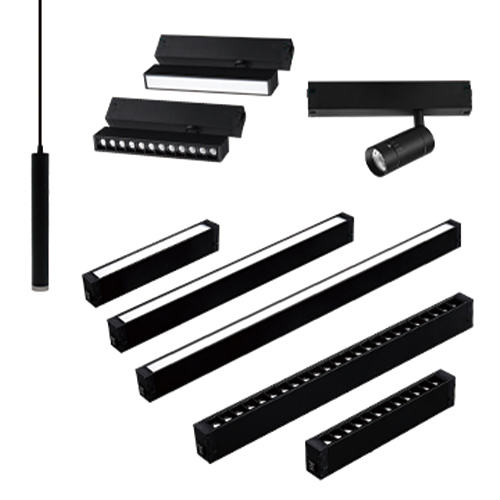
How B2B Buyers Should Evaluate a Magnetic Track Lighting Factory
For importers, distributors, contractors, and lighting brands, working with a magnetic track light manufacturer in China is not just a sourcing decision. It affects product stability, installation efficiency, customer satisfaction, and repeat business. In many commercial lighting projects, problems do not come from one defective lamp. They come from mismatched track rails, unclear driver specifications, weak magnetic adapters, missing connectors, unstable dimming, or a supplier that cannot support the next batch with the same structure.
Magnetic track lighting belongs to the system lighting category. A rail, power supply, connector, spotlight, grille light, flood light, pendant light, and linear module all need to work together. When one part changes without notice, the whole project can be affected. For wholesale buyers, this means returns, delayed installation, and extra communication with contractors or end users. A dependable factory should therefore be judged by system ability, not by quotation alone.
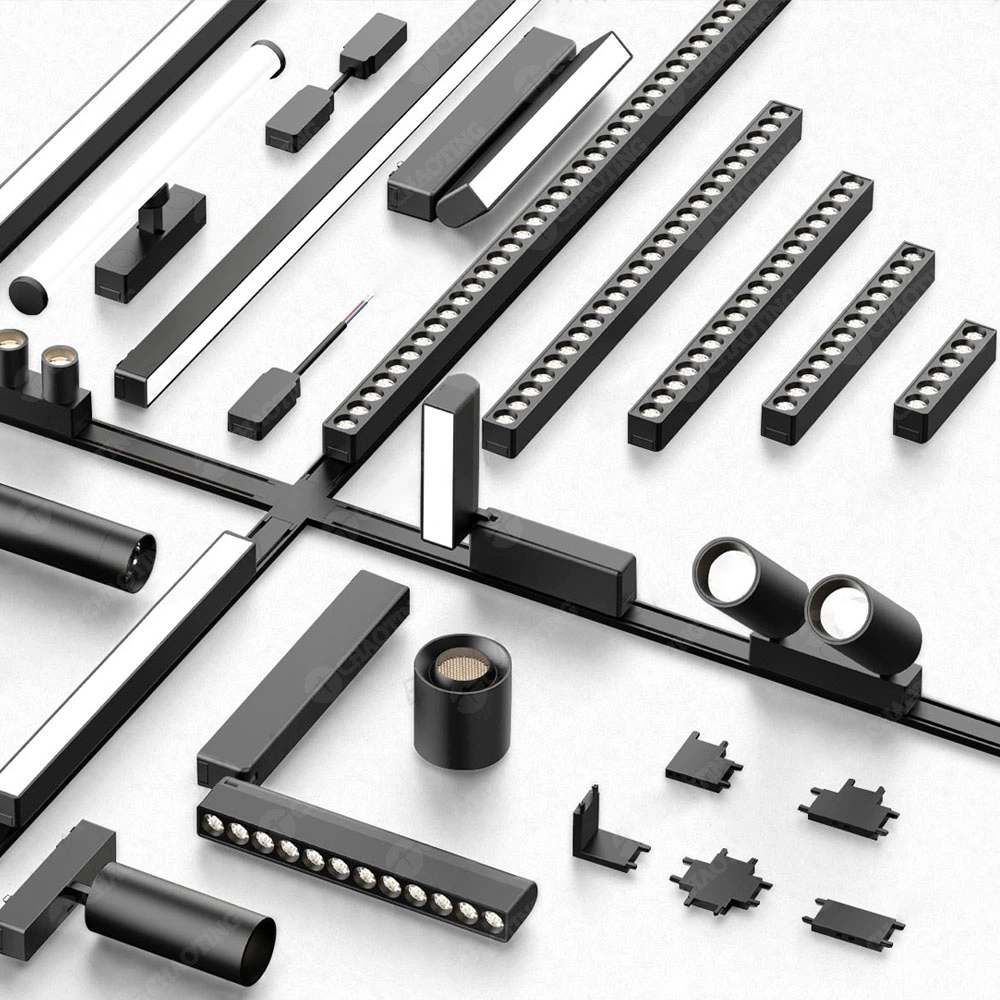
What a Reliable Magnetic Track Light Factory Should Supply
A reliable magnetic track light factory should have a complete product structure. The buyer should not need to source track rails from one supplier, power supplies from another, and lighting modules from a third party. That approach may look flexible at first, but it often creates problems during installation, especially when the rail profile, connector size, magnetic adapter, or driver does not match.
A serious supplier normally provides 48V magnetic track light systems, 220V magnetic track light systems, recessed magnetic track rails, surface mounted magnetic track rails, power supplies, connectors, magnetic spotlights, magnetic grille lights, magnetic flood lights, magnetic pendant lights, and linear lighting modules. For commercial lighting projects, this product coverage gives distributors and contractors more control over stock planning and project delivery.
Different spaces require different fixture combinations. Retail stores often need magnetic spotlights and grille lights for product displays. Offices usually need linear modules or wide-beam flood lights for cleaner general lighting. Hotels and villas may prefer ultra-thin magnetic track light systems or ultra-narrow magnetic track systems because the ceiling detail is more discreet. Galleries and showrooms may need better glare control, accurate beam angles, and stable color performance. Curved ceilings or special interior layouts may require semi-flexible magnetic track lighting.
Sampo Lighting’s official product categories include 220V Magnetic Track Light System, 48V Magnetic Track Light System, Semi-flexible Magnetic Track Light System, T10 Square Tube Light, Ultra-narrow Magnetic Track Light System, and Ultra-thin Magnetic Track Light System. These categories are shown on the company’s homepage and product page, giving B2B buyers a clear view of its system-based product direction.
Key Factors to Check Before Choosing a Magnetic Track Light Manufacturer
Product Range and System Compatibility
The first detail to check is compatibility. A magnetic track light system is only reliable when the rail, connector, power supply, magnetic adapter, and lamp module match correctly. A contractor may complete the ceiling slot and wiring before discovering that the lamp head cannot sit properly in the rail. That kind of error is costly because it usually happens on site, not during quotation.
For a 48V magnetic track light manufacturer, the buyer should check whether the supplier can provide matching low-voltage power supplies, track rails, connectors, linear lights, spotlights, grille lights, flood lights, and pendant lights. For a 220V magnetic track light supplier, electrical safety, installation conditions, insulation design, and local market requirements need closer attention.
A professional factory should provide product datasheets, installation drawings, accessory lists, and model matching guidance. These documents are not only technical files. They show whether the supplier understands real project delivery. For importers and distributors, clear documentation also helps sales teams explain the system to contractors, shopfitters, and lighting designers.
OEM and ODM Customization Ability
OEM magnetic track lighting is a common requirement for lighting brands, regional distributors, and project suppliers. Standard models can serve many orders, but private-label buyers usually need some level of customization. This may include logo printing, packaging design, housing color, wattage, CCT, beam angle, track length, dimming method, and installation accessories.
ODM magnetic track light projects require even more factory involvement. A buyer may need a specific housing design, a thinner rail appearance, a special pendant structure, or a lighting module designed for a particular commercial environment. In these cases, the supplier should be able to discuss samples, tooling, MOQ, production limits, and testing in practical terms.
The most useful question is not simply whether customization is available. The better question is which parts can be customized, what minimum order quantity applies, how long sample development takes, and whether the same specification can remain stable in future repeat orders. For wholesale magnetic track lights, consistency is essential. A distributor cannot build a product catalog around a model that changes shape, driver, or rail compatibility every few months.
Quality Control and Material Details
Good magnetic track lighting is not defined by appearance alone. Long-term performance depends on aluminum profile quality, heat dissipation, LED performance, driver stability, magnetic connection strength, surface treatment, anti-glare design, and flicker control. These details decide whether the product can handle real commercial use.
In retail projects, poor glare control can make display areas uncomfortable. In offices, flicker or uneven lighting can create complaints from users. In hotels, inconsistent color temperature between batches can damage the visual effect of corridors, rooms, and public areas. In galleries and showrooms, beam angle and color rendering become even more sensitive.
A buyer should test a complete system sample before bulk ordering. A single lamp head sample is not enough. The sample set should include the magnetic track rail, power supply, connector, spotlight, grille light, flood light, and any dimming component required by the project. This test gives a more realistic view of installation, magnetic strength, electrical connection, brightness, color consistency, and packaging quality.
Useful quality documents include datasheets, installation manuals, aging test information, packaging photos, and real product images. A factory that can explain these details clearly usually has better production control than a supplier that only provides catalog pictures.
Certifications and Market Compliance
Certification is often one of the first concerns for importers. Search demand around CE magnetic track light, RoHS magnetic track lighting, UL magnetic track light, and LED lighting certification usually comes from buyers who already understand market-entry requirements. However, certification must be checked by exact model, not by general product category.
A supplier may have documents for one series but not for every voltage, wattage, driver, or dimming version. This matters when the buyer sells to Europe, North America, the Middle East, Southeast Asia, or a project market where compliance documents are requested before installation approval.
Before confirming an order, the buyer should provide the destination country, voltage requirement, installation environment, labeling request, packaging requirement, and any certification standards required by local customers. This prevents common problems such as unsuitable drivers, missing labels, incomplete customs documents, or product models that cannot be used for a specific project.
Market compliance is not paperwork only. It affects customs clearance, distributor confidence, contractor acceptance, and long-term resale.
MOQ, Lead Time and Bulk Supply Capacity
MOQ and lead time should be discussed early. A magnetic track light supplier may have different requirements for standard products, sample orders, custom packaging, logo printing, special housing colors, or non-standard CCT and beam angle combinations. Buyers should not assume the same MOQ applies to every version.
Lead time also needs careful review. Track rails, power supplies, lamp modules, and accessories may not follow the same production schedule. Customized magnetic track lighting orders usually take longer than standard catalog models. During peak production periods, delayed accessories can hold back the whole shipment even when the main lamps are ready.
A clear quotation request should include product type, quantity, voltage, wattage, CCT, beam angle, installation method, dimming requirement, housing color, packaging request, destination country, and certification needs. For project orders, ceiling height, floor plan, and application type help the factory recommend a better magnetic track lighting solution.
Repeat supply is just as important as the first delivery. For distributors, the value of a China magnetic track light factory comes from stable SKUs, steady spare parts, and consistent production over time.
Technical Support and After-Sales Service
Technical support often separates a real manufacturer from a simple product trader. Commercial lighting buyers need guidance on track type, installation method, wattage, beam angle, CCT, dimming options, and fixture combinations. The wrong product choice can make a project difficult even when the product itself is not defective.
A retail shop may need narrow-beam spotlights for shelves and wider flood lights for general brightness. A hotel corridor may require low-glare linear lighting with a cleaner ceiling finish. A showroom may combine grille lights, pendant lights, and spotlights to create layered lighting. These choices affect product quantity, installation labor, and final visual effect.
After-sales service should also be clear before the order is placed. Buyers should confirm warranty terms, replacement policy, troubleshooting support, and spare parts availability. When a contractor is working on site, fast technical answers can prevent installation delays. A reliable magnetic track light manufacturer should support the buyer from sample testing to bulk production, shipment, installation, and future replacement needs.
Red Flags When Choosing a Magnetic Track Light Supplier
A supplier that only talks about low price can become expensive later. Common warning signs include missing datasheets, unclear installation instructions, limited accessories, no complete system information, no sample support, and vague warranty terms.
Another warning sign is weak understanding of system compatibility. If a supplier cannot explain which rail matches which lighting module, which power supply is required, or which connector belongs to the system, the buyer may face problems during installation. Inconsistent product naming is also risky. When the same model is described with different voltage, wattage, beam angle, or rail type in different documents, order mistakes become more likely.
Slow response before payment should not be ignored. After-sales communication is rarely better than pre-sales communication. A reliable magnetic track light supplier should answer technical questions directly, provide clear documents, and give realistic production schedules.
Brief Introduction to Foshan Sampo Lighting & Electric Co., Ltd.
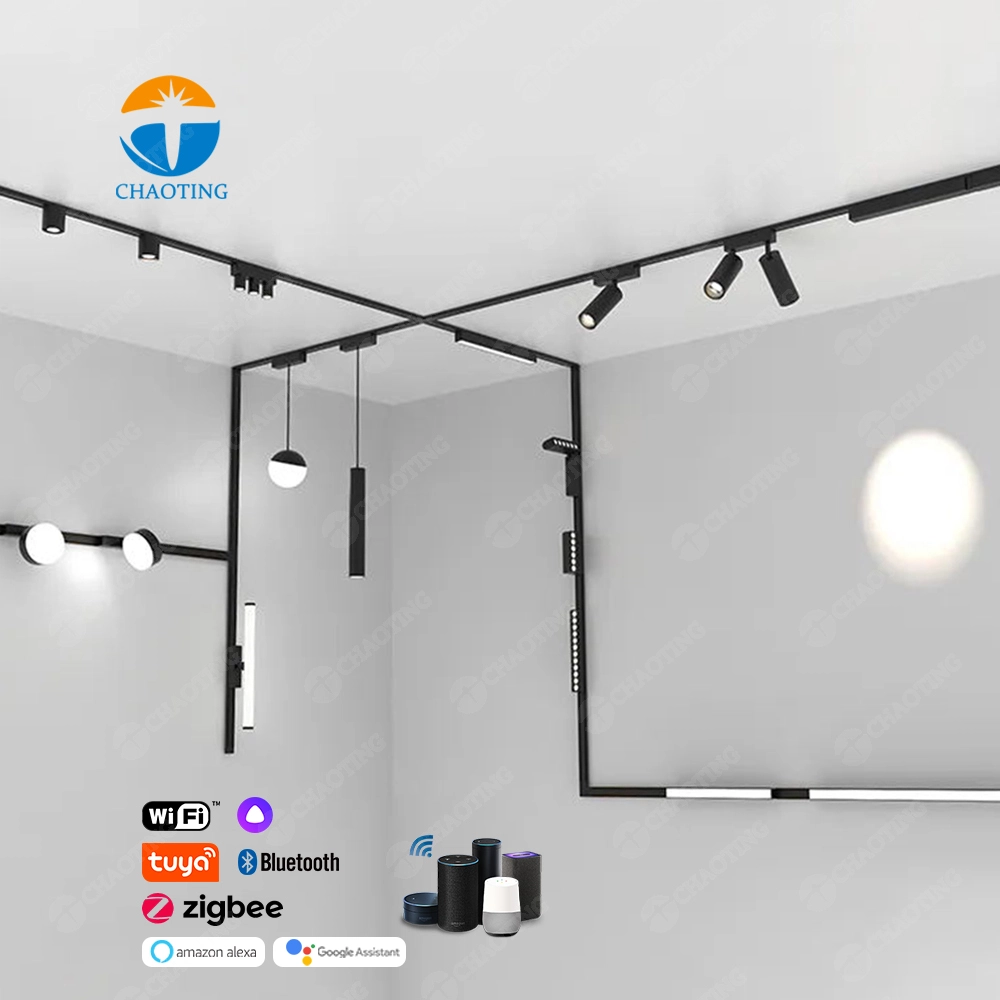
Foshan Sampo Lighting & Electric Co., Ltd. was founded in 2014 and is located in Foshan, Guangdong. According to the company’s About Us page, Sampo Lighting focuses on R&D, OEM, ODM, sales, and after-sales service for LED Track Lights, LED Lighting Tracks, LED Downlights, and related parts and accessories. The page also states that the company has an industrial zone of around 29,800 square meters, a professional engineering team, and more than 200 experienced technicians.
From a B2B procurement perspective, Sampo Lighting’s product structure matches several common buyer needs. Its magnetic track lighting categories include 220V, 48V, semi-flexible, ultra-narrow, and ultra-thin systems, together with T10 Square Tube Light products. This product coverage is suitable for importers, distributors, lighting brands, contractors, and commercial project buyers that need system-based supply, OEM/ODM support, and project-oriented lighting options.
Conclusion
Choosing a magnetic track light manufacturer should not be based only on unit price. The safer approach is to review product range, system compatibility, OEM/ODM capability, quality control, certification support, MOQ, lead time, technical guidance, and after-sales service.
A dependable factory reduces project risk before the order is placed. It provides clear documents, stable specifications, compatible accessories, realistic production schedules, and useful support when installation questions appear. For importers, distributors, contractors, and lighting brands, the strongest supplier is usually the one that can support repeat business, not just one shipment.
FAQs
Q1:How do buyers choose a reliable magnetic track light manufacturer in China?
A1:Buyers should check whether the factory provides a complete magnetic track lighting system, including rails, power supplies, connectors, spotlights, grille lights, flood lights, pendant lights, and installation accessories. OEM/ODM ability, sample support, datasheets, certification documents, MOQ, lead time, warranty terms, and after-sales response should also be reviewed before bulk ordering.
Q2:What is the difference between 48V and 220V magnetic track lights?
A2:48V magnetic track lights are low-voltage systems often used in flexible commercial and residential lighting projects. 220V magnetic track lights are designed for different electrical and installation conditions. The correct choice depends on local voltage standards, project type, installation method, safety requirements, and control system.
Q3:Can magnetic track lights be customized for OEM or ODM orders?
A3:Magnetic track lights can often be customized for OEM or ODM orders when the factory supports private-label or project-specific production. Common options include logo, packaging, housing color, wattage, CCT, beam angle, track length, dimming method, and installation accessories. MOQ, sample time, custom production lead time, and repeat order stability should be confirmed in advance.
Q4:What information is needed for a magnetic track light quotation?
A4:A clear magnetic track light quotation request should include quantity, product type, voltage, wattage, CCT, beam angle, installation type, dimming requirement, housing color, packaging request, destination country, and certification needs. For project orders, floor plans, ceiling height, and application details can help the factory recommend a more suitable system.
Q5:Should samples be tested before placing a bulk magnetic track light order?
A5:Samples should be tested before a bulk magnetic track light order, especially for new suppliers or customized models. Sample testing helps check brightness, CCT consistency, CRI, beam angle, magnetic connection, dimming performance, rail compatibility, surface finish, driver stability, and packaging quality. Testing a complete system is more useful than testing one fixture alone.


