

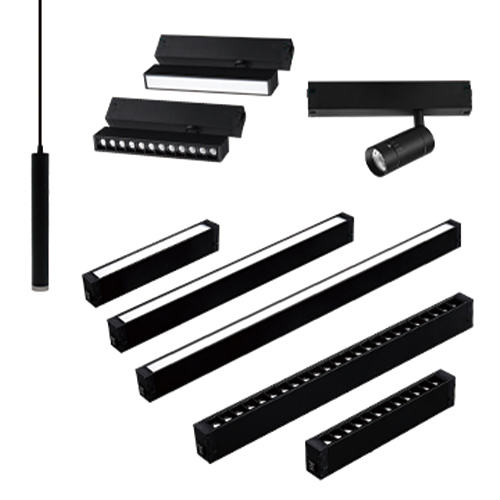
Which Type of LED Lights Are Best for a room?
The search phrase “led light lamp for room” usually points to a practical question: which light works best in a bedroom? A useful bedroom plan combines warm, dimmable ambient light with focused light for reading or dressing. LED strips or RGB fixtures can add an accent layer when the room needs decorative color.
Room size, furniture and ceiling construction determine the mix. Give each fixture a job, then confirm its specifications.
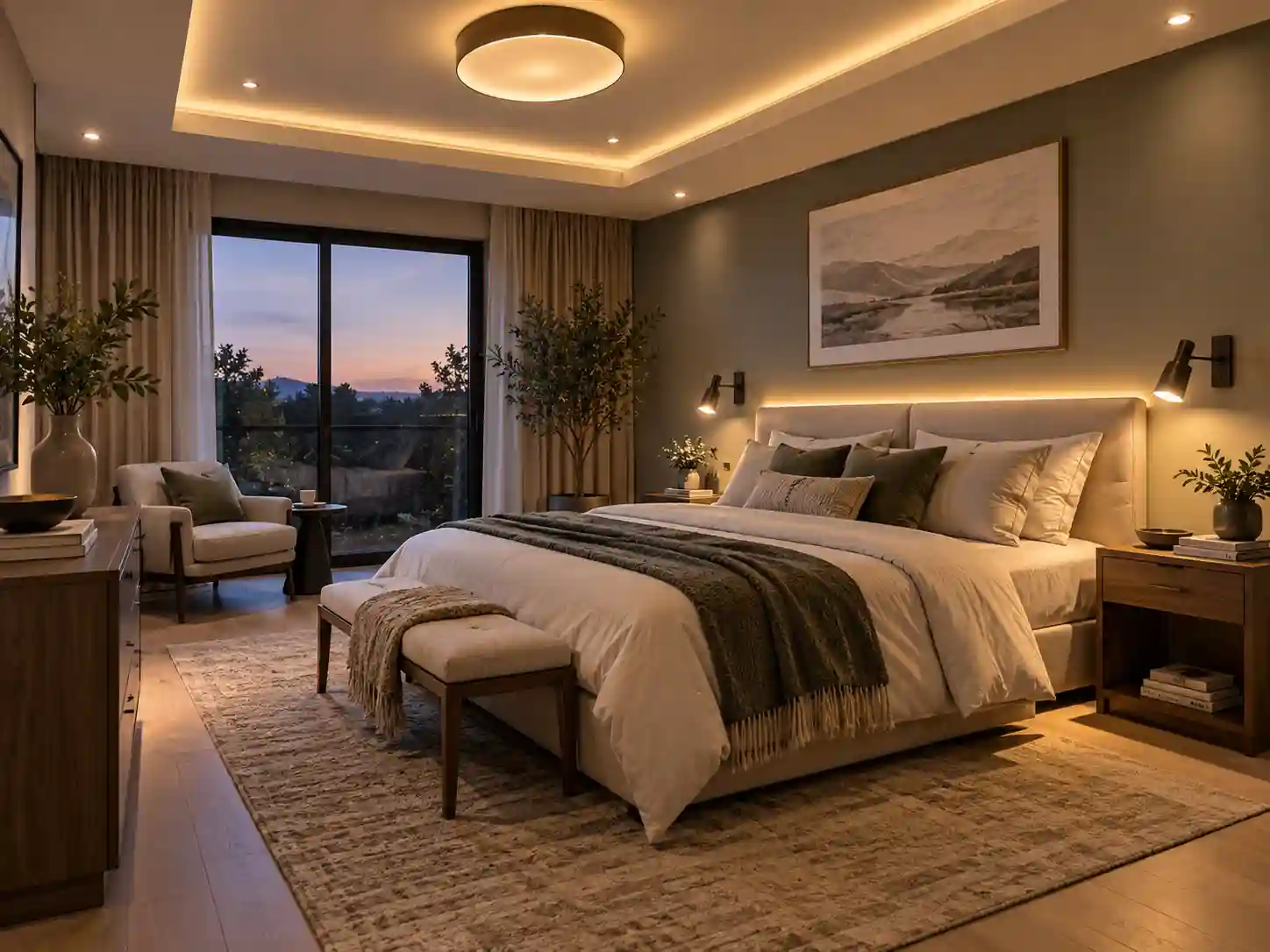
Quick Answer: The Best LED Lights for Bedroom Use
For most bedrooms, start with a dimmable ceiling fixture or downlights for general illumination. Add a directed wall light, bedside lamp or adjustable track head where reading takes place. Accent strips can sit around a headboard, cove, shelf or bed frame.
|
LED Light Type |
Best Bedroom Use |
Main Feature to Check |
|
Dimmable ceiling light |
General room illumination |
Output, glare and dimmer compatibility |
|
Recessed downlight |
Ceiling and focused zones |
Cut-out, beam angle and installation depth |
|
Wall or bedside light |
Reading beside the bed |
Direction, switch position and glare |
|
Magnetic track light |
Adjustable task and accent zones |
Rail, voltage, module and controls |
|
LED strip light |
Headboard, cove or under-bed accent |
Voltage, controller and mounting surface |
|
Smart or RGB light |
Decorative scenes |
Platform and color-control method |
The table gives a starting point. One ceiling lamp rarely covers bedside reading, wardrobe visibility and low-level evening light equally well.
How Should You Layer LED Lights in a Bedroom?
A layered plan separates general illumination from specific tasks. It also allows each layer to use its own switch or dimming level.
Ambient LED Lights for General Illumination
Ambient light supports movement, cleaning and general use. Ceiling fixtures and recessed downlights can provide this layer. Place them around walking routes and storage areas.
Spacing and beam distribution shape the result. A narrow beam may leave bright circles and dark gaps, while a diffused source spreads light more broadly. The published guide to LED light fixtures for home explains how mounting method, room use and controls belong in the same specification.
Task LED Lights for Reading and Dressing
Reading light should reach the page while the source stays outside the reader’s direct sightline. An adjustable wall light, bedside lamp or track head can serve this role. Plan the beam around the pillow, chair or desk.
Wardrobes need light aimed toward clothing and faces. Check color rendering, beam direction and shadows before fixing the position. Separate controls let a reading light operate independently from the ceiling layer.
Accent LED Lights for Headboards and Shelves
LED strips suit coves, headboards, shelving and under-bed locations. A compatible profile and diffuser can soften visible points from the individual LEDs. The strip, driver, controller, run length and mounting surface should be specified together.
Sampo materials list strip families with different voltages, colors and controls. Confirm the exact strip output and driver before assigning a lighting task.
Which Color Temperature Is Best for Bedroom LED Lights?
Warm white is a practical starting point for evening bedroom lighting. A 2024 United States Department of Energy job aid lists 2,200-3,000 K for bedrooms and living areas. Use this as a planning reference; local project requirements still govern selection.
Lower Kelvin values look warmer. Wall colors, bedding and furniture finishes also affect the result.
Tunable White for Different Activities
Tunable-white fixtures change color appearance within their supported range. A cooler setting may suit dressing or desk work, while a warmer setting suits evening use.
The fixture, driver and controller must support the same functions. Put the required color-temperature range and control method on the product schedule.
What Features Matter When Choosing a Bedroom LED Light?
The best LED lights combine suitable output, controlled distribution and electrical compatibility.
Brightness and Light Distribution
The same 2024 Department of Energy job aid lists 10-20 lumens per square foot for bedrooms and living areas. Under that reference, a 150-square-foot room starts at 1,500-3,000 ambient lumens. Dark finishes, ceiling height, fixture optics and detailed tasks can change the final requirement.
Lumens describe total output. Beam angle and fixture position determine where that output lands. The article How Can LED Lights Be So Bright? explains how LED chips, drivers, optics and thermal design contribute to usable brightness.
Dimming and Control Compatibility
Dimming requires a compatible fixture, driver and control device. A dimmable label on one component does not establish compatibility for the whole system. Confirm the dimming protocol, minimum level, start-up behavior and permitted circuit load.
Separate zones can control ambient fixtures, bedside lights and accent strips. Smart functions may use an app, remote or wall control when the selected configuration supports it.
CRI, Flicker and Glare
Color rendering index, or CRI, describes how a light source renders colors against a reference. Flicker describes changes in light output over time. Glare occurs when a bright source or reflection causes visual discomfort.
Sampo’s applicable magnetic families list Ra90+ color rendering, flicker-free sources and anti-glare features. These statements cover the identified series. Request the current model, driver and optical specifications before ordering.
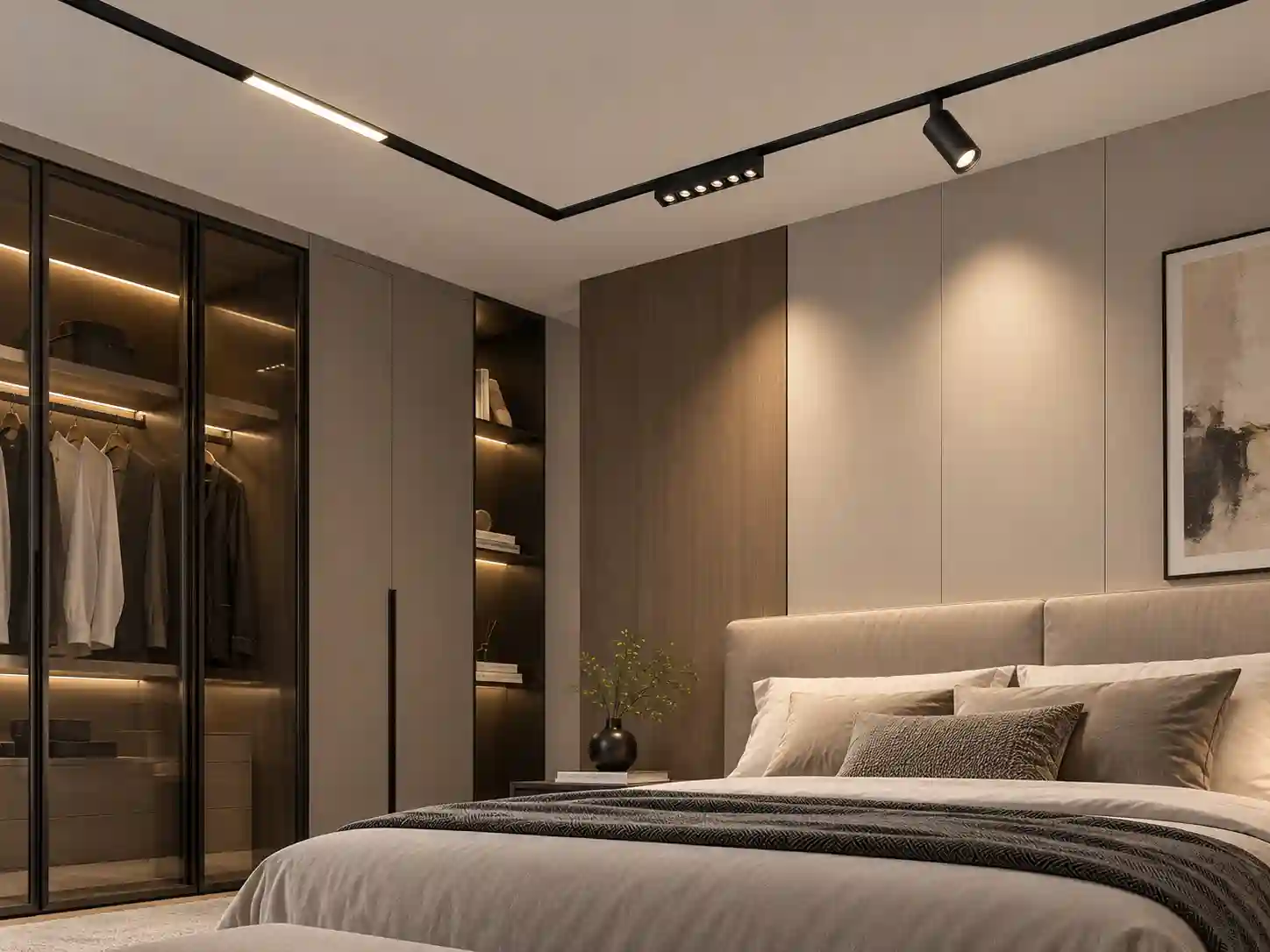
Which LED Fixture Fits Each Bedroom Area?
The ceiling can use a dimmable diffused fixture, recessed downlights or a compatible track system. Select by ceiling void, cut-out, mounting surface and beam adjustment.
At the bedside, direct light toward the book. Check the switch from the bed and view the fixture from both pillows to identify an exposed source.
Wardrobes benefit from directional light with suitable color rendering. Aim the fixture toward the storage face to limit shadows on clothing.
For a movable ceiling layout, Sampo’s 48 V magnetic track lighting systems support compatible modules on a low-voltage rail. Confirm rail type, driver capacity, module selection and installation drawing as one system.
Headboard, cove and under-bed areas suit strip lighting with secure mounting and accessible controls. Full-room use requires documented output from the selected strip and layout.
LED Light Lamp for Room Buying Checklist
Record the room before comparing products:
- Room dimensions, ceiling height, finishes and furniture layout
- Activities served by ambient, task and accent lighting
- Fixture position and mounting method
- Target brightness and color-temperature range
- Beam angle, glare control, CRI and flicker information
- Input voltage, driver and dimmer compatibility
- Smart controller, app or wall-control requirements
- Cut-out, mounting depth and maintenance access
- Model-specific certification, warranty and installation documents
- Quantity, finish and destination market
For a project order, request a sample with the proposed driver and control system. Check it against the room finishes and viewing positions. Record the approved model and revision before production.
Conclusion: Choosing the Best LED Lights for Your Bedroom
The right led light lamp for room use comes from a layered plan. Warm, dimmable fixtures form the ambient layer. A wall lamp, bedside light or adjustable track module covers reading and dressing, while an LED strip can provide a separate accent.
Foshan Sampo Lighting & Electric Co., Ltd. supplies LED track lights, lighting tracks, downlights and related parts, with R&D, OEM, ODM, sales and after-sales services described in its company materials. Send the room dimensions, fixture positions, ceiling type, voltage, target color temperature, controls, quantity and destination-market requirements when you contact the lighting team. These inputs provide a clear basis for model and accessory confirmation.
FAQ
Q1: Are warm white or daylight LED lights better for a bedroom?
A: Warm white is the documented starting point in the available guidance. A 2024 United States Department of Energy job aid lists 2,200-3,000 K for bedrooms and living areas. Treat this as a planning reference and confirm the available range on the selected fixture.
Q2: How bright should LED lights be in a bedroom?
A: The same 2024 job aid lists 10-20 lumens per square foot for bedrooms and living areas. A 150-square-foot room therefore starts at 1,500-3,000 ambient lumens under that reference. Layout, surfaces, optics and task lighting affect the final plan.
Q3: Are LED strip lights suitable as the main bedroom light?
A: Use a strip as the main light only when the selected product and layout provide documented output for the full room. Otherwise, use it for a headboard, cove, shelf or under-bed accent. Confirm strip output, voltage, driver, controller and profile.
Q4: Can dimmable LED lights use any wall dimmer?
A: The fixture, driver and wall control must be compatible. Identify the exact models and dimming protocol, then place that combination on the quotation and wiring plan.
Q5: Which LED light lamp for room use is best for a bedroom ceiling?
A: Dimmable ceiling fixtures, recessed downlights and magnetic track systems can all serve a bedroom ceiling. Choose according to ceiling construction, light distribution and required adjustment. Confirm cut-out or rail details, voltage, driver, output and controls for the selected model.


