

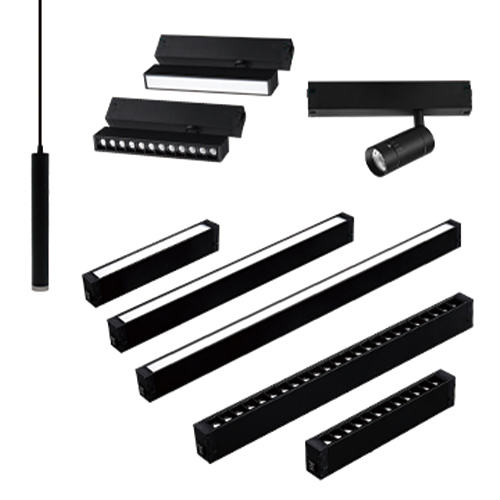
How to Protect LED Natural Light Fixtures from Moisture and Humidity
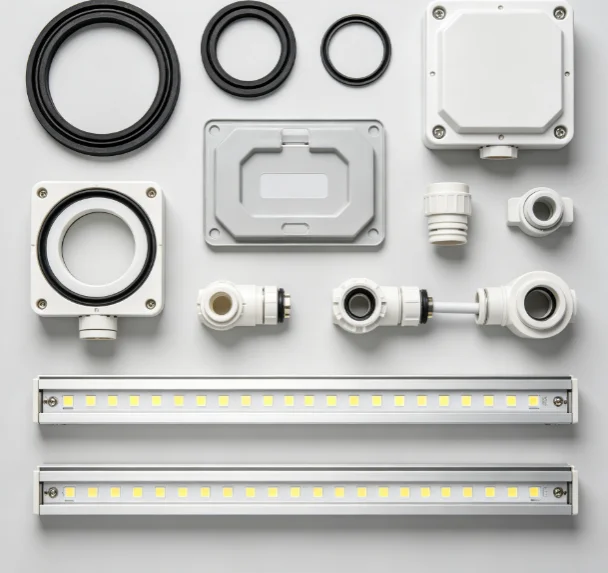
Moisture does not show its effect right away. It comes in little by little. This happens more in places where air moves a lot. For led lighting systems such as LED Natural Light fixtures and track lighting setups, humidity often causes early problems with how they work. You might see a bit of flickering or a light mist inside the lamp cover after rain. These signs show there is moisture inside the fixture.
LED lighting is now used in many homes. It is also used in offices. Hotels use it too. Retail spaces use it as well. Many of these places have warm air mixed with cold air. Water vapor comes in at times. Bathrooms get a lot of this mix. Kitchens do too. Basements also see it often. That mix creates a steady cycle. The cycle pushes moisture into small gaps in the lighting over time.
Why do LED Natural Light fixtures get affected by humidity?
Humidity does not harm lighting at once. It enters slowly. It comes through small openings. These openings include cable entries. They also include seams. Ventilation paths let it in too. Once inside, the moisture acts in different ways. It depends on how the temperature changes. When the air cools, the vapor turns into water drops. This is called condensation.
How does condensation impact led lighting systems?
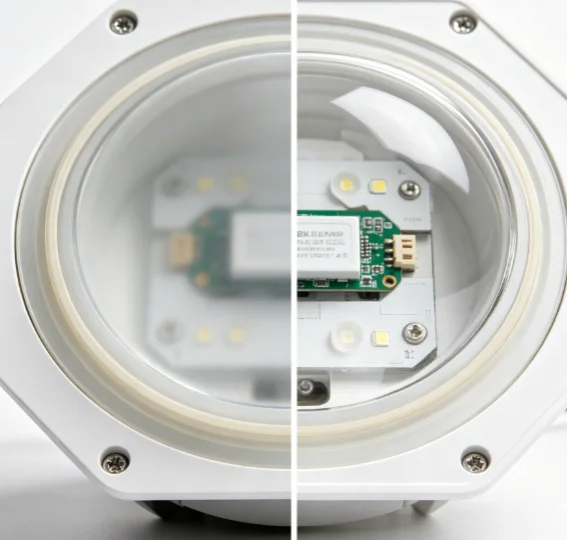
Inside a sealed lamp body, condensation forms a thin water film. This film covers the driver board. It also covers the LED chip surface. That film disturbs the electrical stability. It leads to flickering. It causes delayed ignition. Or it makes the brightness uneven in LED Natural Light fixtures.
If this condition goes on, oxidation starts on the metallic contact points. The result is a slow drop in brightness. Efficiency also goes down. The change is small at first. Many users notice it only when the lighting already feels weaker than before.
Why are LED Track Spotlight systems more sensitive?
A LED Track Spotlight system is built for flexibility. The heads can rotate. The rail connects many units. Adapters join different segments. These design points also create more possible entry points for humid air.
In real installations like commercial corridors, track systems face uneven humidity exposure. Semi-open ceilings have the same issue. One section may stay dry. Another section collects condensation. This uneven condition adds long-term stress on the electrical components.
What design features help reduce moisture risk in LED lighting?
Moisture resistance starts from the structure. It does not come from external treatment alone. A well-designed fixture limits how much air and vapor can enter in the first place.
Why does sealing structure and IP rating matter?
A proper sealed housing is the first barrier. Silicone rings help here. Rubber gaskets work too. Coated internal boards join in as well. They all slow down moisture entry. The IP rating gives a simple reference. It shows how well the fixture resists dust and water intrusion.
But sealing alone is not enough. If a fixture is too tightly sealed without heat control, internal pressure builds up. That pressure can pull moisture inside through weak points. Good design balances sealing and heat release in a controlled way.
How should you install LED Natural Light fixtures in humid spaces?
Installation plays a bigger role than most people expect. Even a well-built fixture can fail early if placed in the wrong environment.
Where should you avoid placing led lighting fixtures?
Avoid direct steam paths. Do not place them above showers. Stay away from cooking vents. Areas with constant hot vapor flow are bad too. Even moisture-resistant led lighting products will degrade faster in these spots if exposure stays continuous.
What installation habits reduce humidity issues?
Keep wiring entry points tightly sealed. Use proper junction boxes for this. Avoid leaving open gaps above ceiling fixtures. Warm air can build up in those gaps. A small airflow space helps prevent trapped moisture from settling around the fixture body. These are simple steps. But they make a noticeable difference over time.
How do LED Track Spotlight systems stay stable in damp environments?
Track systems need more attention during maintenance because of their structure. Each connection point carries both electrical and mechanical roles.
What should you check during maintenance?
Inspect rail connectors. Check spotlight joints. Look at mounting points too. Loose connections can slowly become moisture paths. If you notice slight fog inside the lens cover, it often signals early humidity influence. Uneven brightness between heads is another sign.
Cleaning also matters. It is less about appearance. It is more about keeping surfaces dry and free of conductive residue.
Why do some lighting systems perform better in real humid environments?
In real projects, performance is not only about brightness or design. It is about stability over time. Some lighting systems are built with reinforced sealing structures. They have stable driver placement. They use materials that resist deformation under changing humidity.
Sampo Lighting focuses on this type of practical design approach. Their LED systems are used in environments where lighting runs for long hours. Air conditions are not always stable in these places. Examples include commercial interiors. Hotels are another example. Retail corridors see the same conditions. The focus is less about visual complexity. It is more about reducing failure points that usually appear after long exposure to humidity.
This kind of approach matters most when maintenance access is difficult. In ceiling installations, replacing a faulty unit often requires scaffolding. It can also cause service downtime. That is why consistent structural design becomes more important than short-term brightness performance.
FAQ
Q1: Can LED Natural Light fixtures be used in humid rooms?
A: Yes, but placement matters. They should not be installed in direct steam zones. Proper sealing is required at the same time.
Q2: What causes led lighting flickering in humid environments?
A: Moisture inside the fixture affects the driver. It also affects LED chip stability. This leads to unstable current flow.
Q3: Are LED Track Spotlight systems suitable for kitchens?
A: Yes, but they should be placed away from direct steam. They need regular checks for connector stability.
Q4: How can condensation inside LED fixtures be reduced?
A: Proper sealing helps. Controlled installation placement helps too. Avoiding trapped warm air zones also reduces condensation.
Q5: How often should LED lighting in humid areas be checked?
A: A simple inspection every few months is usually enough. It helps catch early signs of moisture issues.


