

How Heat Management Affects LED Track Light Lifespan
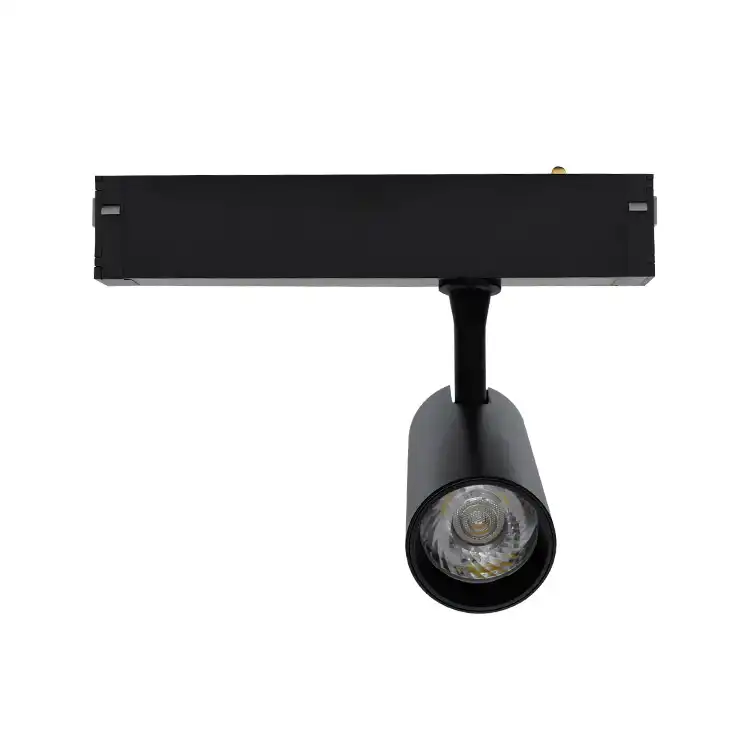
You often see the LED track light lifespan as a simple number on a paper. But in real life, this number only matters if the light can handle heat while working. The LED chip, the driver, the board, the metal shell, and the air around it all help do this job.
If you buy these lights, you should care. Bad heat control makes lights go dark faster. It changes their colors. It breaks the driver. This means you will spend more time fixing them in shops, art galleries, hotels, and offices.
Why Heat Builds Up Inside an LED Track Light
Before you look at lifespan numbers, you have to know where the heat comes from. You also need to know how it gets out. LEDs save more power than old bulbs. But they still get warm. Some power turns into light you can see. The rest turns into heat around the LED junction and inside the driver.
The LED Chip Is Only Part of the Heat Load
The LED package makes heat when it shines. The driver gets warm too because it controls the power. In a small track light, these two parts sit close. So, they can heat each other up.
You need to check the wire contacts too. A loose wire makes a small, hot spot. You might not see it if you just look fast. But heating up again and again will ruin the parts over time.
Heat Needs a Continuous Path
Heat has to move to escape. First, it leaves the LED junction. It goes through the package and the metal joints. Then it hits the circuit board and the cooling paste. Finally, it reaches the outer shell, and the air blows it away. Every single step makes it a little harder for the heat to leave.
A 48V magnetic track light system still needs this same path to cool down. Low voltage does not mean you can ignore heat control. What if the board is not flat? What if the cooling paste is bumpy? Or what if the shell is too small? If this happens, heat gets trapped right next to the LED.
Having an aluminum shell is not enough. The type of metal and its thickness matter. The shape and the wind in the room matter too. They all must work together.
What Excess Heat Does to the Fixture
Too much heat hurts the LED, the driver, and the clear lenses. It also damages the metal joints, wire covers, and glues. The light will not just pop and go dark. It will just get worse slowly.
Light Output Drops Faster
LEDs usually get dimmer as they get older. People call this lumen drop. The L70 number marks when the light falls to 70 percent of its first brightness. But the light does not stop working right then. It keeps going, just dimmer.
When the LED junction gets too hot, this dimming happens much faster. Think about a nice store or a gallery. The items on display will look dull way before anyone spots a broken lamp.
You have to read lifespan numbers carefully. A chip’s lifespan does not always show the true LED track light lifespan for the whole unit. The driver, the cooling paste, the shell, the lenses, and how you hang it all change the final time.
Color and Driver Performance Can Change
Heat can mess up the silicone, the clear lenses, the shiny parts, and the glues. Over time, two lights next to each other might look different. One might show a weird color. On a white wall, these small changes are very easy to spot.
The driver is often the weakest link. A small shell holds it right next to the LED. Both parts make the inside hotter. If the driver works too hard, running it all day will kill it faster.
The cheapest light rarely gives you the lowest cost in the end. Changing broken lights takes time. You have to pay workers and buy extra parts. It also stops your daily work.
Which Design Details Matter Most
Power Density Matters More Than Wattage Alone
Putting a very bright LED in a tiny body makes a heavy ball of heat. Pushing more power into it makes the light brighter at first. But this also makes more heat that you have to get rid of.
Pick your needed brightness and beam size first. Think about your ceiling height. Then, pick a wattage that fits. Buying the highest wattage just adds useless heat and wastes power.
The Heat Sink Needs Good Contact
A good LED heat sink pulls heat away and throws it into the air. The circuit board must sit flat and tight against the shell. Empty gaps trap heat. Cooling paste, tight screws, and firm pressing all change the LED heat dissipation.
You need to do the same checks when picking between a 48V and a 220V magnetic track lighting system. Changing voltage changes the wiring. But it does not fix heat. You still have to look at the driver and the whole unit together.
Ambient Temperature Changes the Result
A light tested in open air might run much hotter in real life. It might sit inside a tight ceiling hole or a closed glass box. Putting lights too close together also heats up the room’s air.
Test your samples in the exact spot you plan to use them. Write down the room heat, the power used, and how low you dim it. Time how long it takes for the heat to stop rising. Without these facts, a heat number means nothing.
Does System Voltage Decide Fixture Temperature?
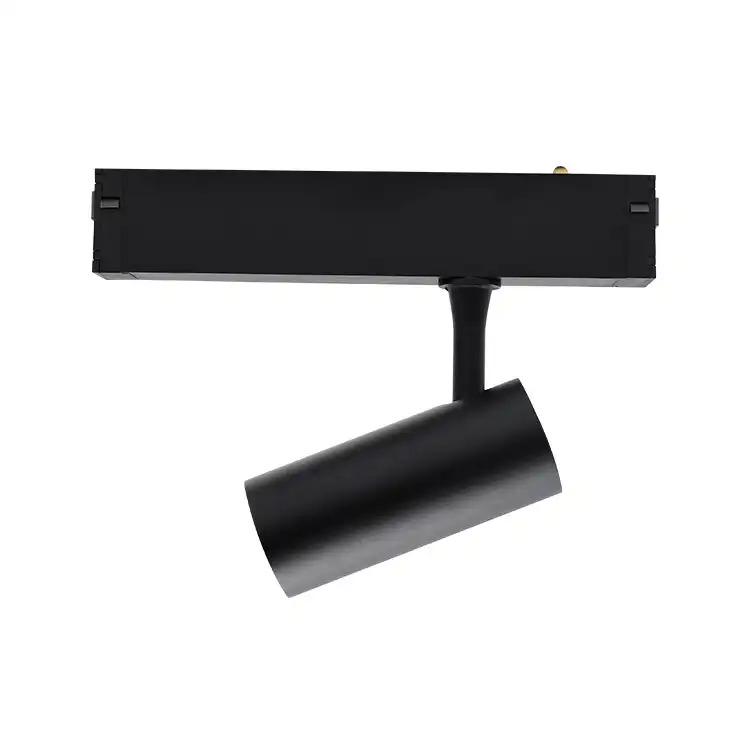
Buyers often guess that a 48V light will run cooler than a 220V one. This guess is way too simple. Voltage changes the wires and the layout. But total heat still depends on how much light comes out. It depends on driver waste, shell size, and wind.
Compare Complete Systems Under the Same Conditions
A 48V magnetic system usually uses a separate power box. A 220V system sets up the wires differently. Both ways can work great if you match the parts right.
To be fair, test both whole systems side by side. Make sure they give out the same light in the same room heat. Check the heat on both the light and the driver. Do not just guess based on the voltage.
Compact Products Need Tighter Thermal Control
Ultra-thin and ultra-narrow lights leave almost no room for the board, driver, or wind. This does not mean small lights will always burn up. It just means the makers have no room to make mistakes.
For a very clean ceiling, check the ultra-narrow magnetic track lights against your daily schedule. A medium-power light that stays cool is often a smarter choice than stuffing the highest wattage into a skinny body.
How to Check Thermal Quality Before Ordering
Pretty catalog pictures do not show what happens after a light runs all day. You must read the papers and test real samples. A warm outer shell might be good. It shows the heat is leaving. But a super cold shell might hide bad contact inside.
Ask for Clear Test Conditions
For ultra-narrow magnetic track lights, the spec sheet needs clear facts. It must show the power used, the safe room heat, and where the driver sits. If they promise 50,000 hours, they must explain it. Does it mean the LED chip, the L70 drop, or the whole light?
Heat cameras are great for finding hot spots. Testing tools help a lot if used right. Always ask the seller exactly where they checked the heat. Ask them what the room heat was during the test.
Test Samples as They Will Be Installed
Run a few samples using your planned rail and power box. Point them the way you want. Use your chosen dimming level. Give them plenty of time to get fully hot.
Watch out for strange things. Look for flickering light, weird noises, brown spots, bad smells, or loose wires. If you see these signs, you must look closer before buying a big batch.
A tiny mistake might look small when you buy one light. But if you put them everywhere, it turns into a huge, hard problem.
How Sampo Lighting Supports Project Evaluation
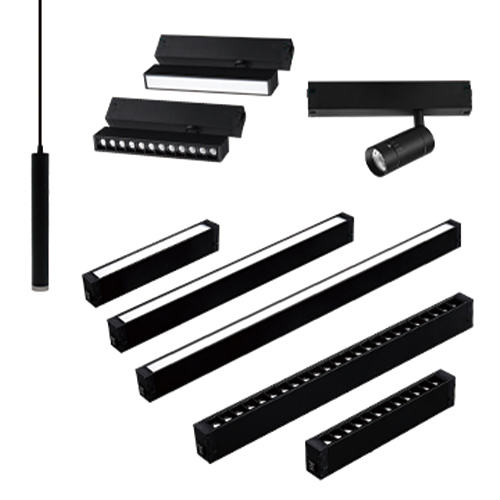
Sampo Lighting offers LED track lights, lighting tracks, and standard downlights for many big projects. They sell 48V and 220V magnetic systems. They also have semi-flexible tracks, T10 square tube lights, ultra-thin systems, and ultra-narrow systems. They help with custom design, sales, and after-sales care.
If you buy for a big job, tell them your needed wattage and daily hours. Tell them about your ceiling and room heat. These facts help pick the best product. Any custom change to the shell size or driver spot will change how the heat moves. So, you must check the final setup as one complete system. This gives you an honest look at your real LED track light lifespan.
FAQ
Q1: How Long Is a Typical LED Track Light Lifespan?
A: There is no single number for every project. Check if the rating means just the LED chip, the L70 drop, or the whole light. Driver quality, electric power, and room heat all change the useful life. Buyers can ask for real LED track light test data for their exact setup.
Q2: Can LED Track Lights Overheat?
A: Yes. They get too hot when fresh air is blocked or if you push too much power. Stop using any light that smells bad, changes color, or has damaged wires. Have a trained person check it.
Q3: Does an Aluminum Housing Guarantee Good Heat Dissipation?
A: No. Aluminum moves heat well, but performance also depends on the metal thickness, surface size, and board contact. A smart, small shell might cool better than a big body with weak inside contact.
Q4: Is a 48V Track Light Cooler Than a 220V Track Light?
A: Not always. Voltage changes how wires are set up. But the light’s heat depends on the total watts used, driver waste, and shell shape. Compare whole systems side by side to know the truth.
Q5: How Should Buyers Check LED Track Light Lifespan Before Ordering?
A: Read how they define their lifetime numbers. Check the safe room heat limits. Then, test real samples exactly how you plan to install them. Make sure your test matches your real-world plans.


