

220V magnetic track lighting system quotation: parameters to provide a supplier
A quotation for a 220V Magnetic Track Lighting System needs a complete project brief. The term “220V magnetic track light” identifies the product category. The supplier still needs the rail layout, fixture mix, electrical interface, controls, accessories, packaging, and delivery terms to price the order. Complete information lets the supplier list the required components and update the offer when the design changes.
The following checklist is for lighting designers, contractors, purchasing teams, distributors, and project owners who need comparable supplier offers.
Why does a 220V magnetic track lighting quotation need detailed parameters?
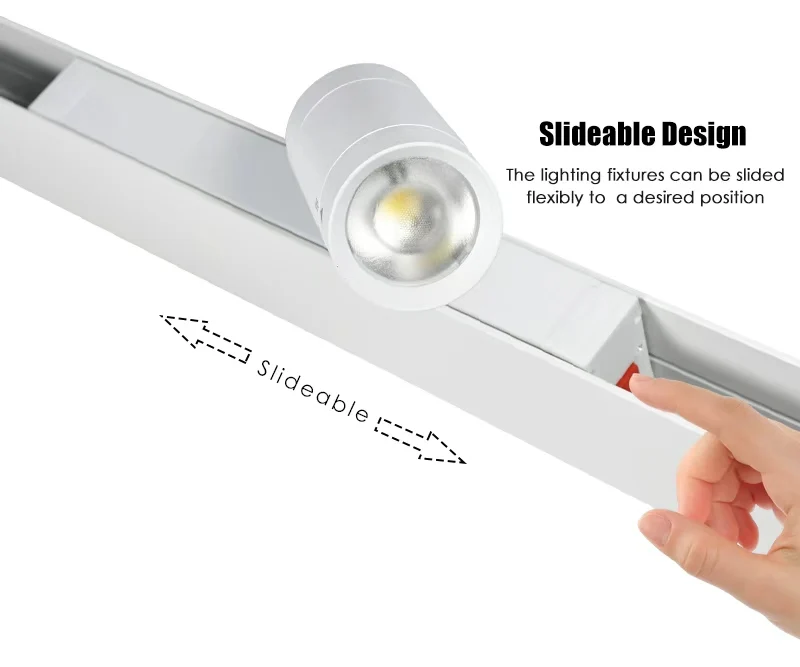
A magnetic system works as a group of compatible parts. The rail carries power and supports the lighting modules. Power feeds, connectors, end caps, mounting hardware, drivers, and control devices complete the installation. A supplier also needs to know how the system will be installed and where it will be delivered.
Send enough information for the supplier to create a bill of materials. Ask the supplier to list included items, exclusions, compatible combinations, and assumptions in the quotation. A consistent scope lets purchasing compare offers and gives the installer a clear package to review.
What electrical parameters should you provide?
Describe the building supply and the intended track system separately. Include:
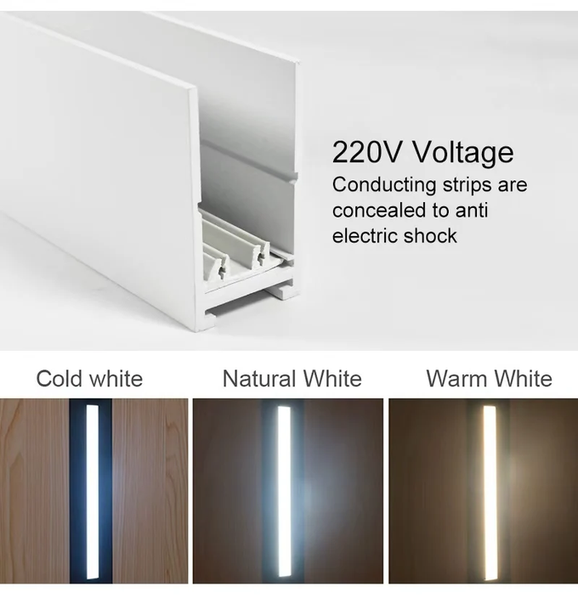
Project country and nominal mains voltage
Frequency, such as 50 Hz or 60 Hz
Required input range, if the project has voltage variation
Track and fixture operating voltage
Total connected load or estimated wattage
Number of circuits and power-feed locations
Required driver type and driver location
Switching, dimming, emergency, or backup-power requirements
Sampo product materials list high-voltage magnetic systems in the 90–265V range. An FAQ section lists a 100–265V high-voltage range and a 48V low-voltage option. These figures describe product families. The final quotation should state the exact rated range for the selected rail, power feed, driver, and light modules.
What rail parameters are required for a quote?
The rail schedule determines material quantity, connectors, packaging volume, and installation work. Provide:
Rail profile or product family
Total rail length and the quantity of each rail length
Standard or custom lengths
Surface-mounted, recessed, or suspended installation
Straight runs, corners, intersections, or special shapes
Power-feed position and direction
Connector type and quantity
End caps and termination details
Suspension kits or other mounting hardware
Rail finish, such as black, white, or a specified custom color
Attach a reflected ceiling plan or a marked-up layout when possible. The drawing should show dimensions, rail centerlines, corners, feed points, and the relationship between the rail and nearby walls, cabinets, or other services.
Which light fixture details affect the price?
A fixture schedule lets the supplier match the optical and electrical specification to each location. List every fixture type and quantity, including:
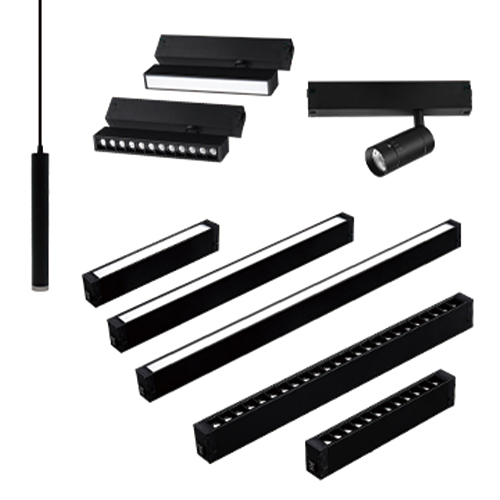
Spotlight, floodlight, grille light, linear module, pendant, or other module
Model number or reference image
Quantity by model
Wattage per fixture
Color temperature or tunable-white requirement
Color-rendering target
Beam angle or light-distribution requirement
Housing material and finish
Lens, reflector, grille, or other optical part
Required adapter, bracket, or mounting interface
For a project using several lighting distributions, group the schedule by room or lighting zone. Note which modules must move along the rail and which locations require a fixed position. This information helps the supplier verify the connected load and list the accessories for each fixture type.
What control and dimming information should be included?
Controls affect the driver, wiring, commissioning, and quotation scope. Describe the intended operation in practical terms:
Simple on/off switching or separate lighting circuits
Phase-cut, 0–10V, DALI, or another dimming method
APP, voice, wireless, or wired control
Number of groups and control zones
Remote controls, wall panels, gateways, or sensors
Required color-changing or tunable-white functions
Integration with an existing building-management or smart-home system
Ask the supplier to state which controller, driver, and fixture combinations are included. A control feature should be quoted as a complete compatible chain, including any gateway or communication device required for operation.
What installation information should be sent?
Installation details allow the supplier to check clearances and mounting accessories. Include:
Ceiling type and construction
Ceiling thickness and available void depth
Finished floor-to-ceiling height
Recessed cut-out dimensions, if applicable
Surface or suspension mounting constraints
Existing junction boxes and cable routes
Access restrictions at the site
Required installation sequence or handover date
Photos of representative ceiling areas
For recessed systems, identify the hole dimensions and the position of each recessed part. For suspended systems, specify suspension length and fixing points. For a renovation, show existing circuits and the locations where the electrician can bring power to the rail.
Which commercial parameters complete the quotation request?
Include the following commercial terms so the supplier can price, schedule, package, and ship the order:
Sample quantity and sample deadline
Expected production quantity by model
Minimum order quantity expectations
Neutral, white-box, branded, or custom packaging
Logo, label, color-box, or carton requirements
Required certificates and test documents
Warranty period and after-sales process
Target production date and latest ship date
Delivery address, destination port, or project site
Requested Incoterm and preferred transport method
Currency and payment preference
If you need a branded package or laser logo, send the artwork format and approval process. If the project is time-sensitive, separate the sample deadline from the bulk delivery deadline so the supplier can schedule them independently.
A practical 220V magnetic track lighting RFQ template
Copy the following fields into an email or procurement form:
|
Category |
Information to Provide |
|---|---|
|
Project |
Country, application, project stage, contact person |
|
Electrical |
Mains voltage, frequency, operating voltage, total load |
|
Rail |
Profile, length schedule, mounting method, finish, feed points |
|
Fixtures |
Type, model, quantity, wattage, color temperature, optics |
|
Controls |
Switching, dimming, smart control, protocol, zones |
|
Accessories |
Power feeds, connectors, end caps, suspension parts, drivers |
|
Documents |
Layout, ceiling drawing, certificates, test reports, datasheets |
|
Commercial |
MOQ, samples, packaging, logo, warranty, Incoterm |
|
Delivery |
Destination, required ship date, shipping method |
Request three supplier responses in the same format: a line-item price, quantity, subtotal, excluded items, lead time, and validity period. This structure reduces ambiguity during purchasing review.
How should you compare two 220V magnetic track lighting quotations?
Compare the scope before comparing unit prices. Check whether each offer includes the same rail lengths, power feeds, connectors, end caps, drivers, mounting parts, and control devices. Confirm that the quoted fixtures use the same wattage, color temperature, beam angle, and finish.
Review the electrical notes carefully. The rail, power feed, driver, fixture, and control system should form one compatible configuration. Ask the supplier to identify any item that requires a separate purchase or factory confirmation.
Compare lead time, packaging, shipping terms, certificates, warranty, replacement handling, and quotation validity as well. Include every required accessory and document in the comparison because omitted items add to the final project cost.
About Sampo Lighting
Foshan Sampo Lighting & Electric Co., Ltd. describes its work as research and development, OEM, ODM, sales, and after-sales service for LED track lights, lighting tracks, downlights, and related accessories. Its published product information covers high-voltage magnetic systems, 48V magnetic systems, ultra-thin and ultra-narrow magnetic tracks, and modular lighting fixtures. Buyers can use the LED track light product range to identify a suitable product family, then send drawings, fixture schedules, control requirements, quantities, and delivery details through the supplier contact page. Exact voltage, dimensions, compatibility, and availability should be confirmed for the selected configuration.
FAQ
Q1: What is the most important information for a 220V magnetic track lighting quotation?
A: Provide the electrical conditions, rail layout, fixture schedule, controls, accessories, quantities, documents, and delivery requirements.
Q2: Do I need to provide a floor plan or ceiling drawing?
A: Provide a drawing for projects with multiple rails, recessed installation, suspension, or defined lighting zones. The drawing helps the supplier calculate rail lengths and mounting parts.
Q3: Should the rail and fixtures be quoted as one system?
A: Yes. The rail profile, electrical interface, power feed, driver, controls, and fixtures should be checked as one compatible configuration.
Q4: Which quotation details are often missed?
A: Common omissions include connectors, end caps, power feeds, suspension parts, control devices, packaging, certification documents, and shipping terms.
Q5: Can a supplier quote from fixture quantities alone?
A: A preliminary estimate may be possible, but a complete quotation requires the rail layout, electrical requirements, accessory list, commercial conditions, and delivery destination.


