

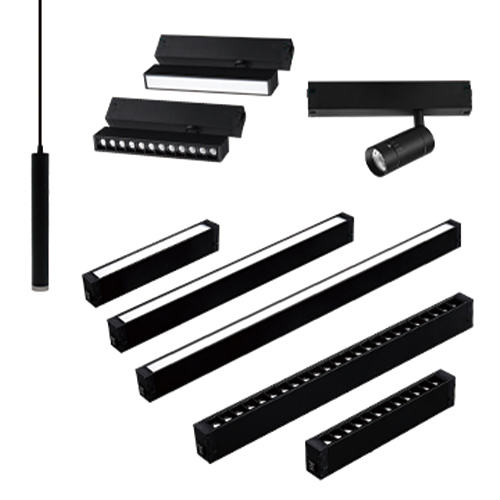
Enhance Museum Exhibits with Low-Wattage Magnetic Spotlights for Optimal Artifact Preservation and Stunning Visual Displays
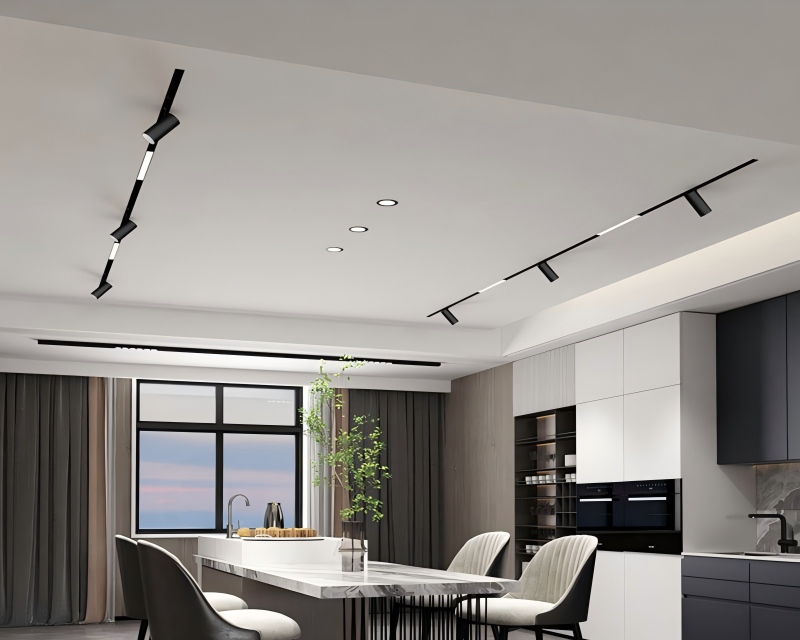
In the world of museum curation, the balance between preserving valuable artifacts and creating captivating visual displays is critical. Artifacts, paintings, and antique documents are all vulnerable to heat, UV light, and excessive exposure to harsh lighting. These elements can cause irreversible damage over time, from fading colors to structural degradation. To prevent this, it’s essential to use lighting that not only highlights the beauty and intricate details of these objects but also ensures their longevity.
The Importance of Proper Lighting
To boost how things look without risking safety, advanced lighting tools come into play. These tools provide both accuracy and safeguards. When done right, museum lighting keeps cultural items safe. It also strengthens the way each display tells a story. Light draws people’s eyes to key spots in a smooth way. Plus, it has a quiet, elegant feel.
Sampo Lighting’s Innovative Solutions
Sampo Lighting brings expert answers for business and home lighting setups. Our skills reach into high-standard museum uses. Here, exact handling, low-power work, and smart builds meet. We blend our magnetic track lighting with strong optical work. This tackles the special issues of lighting fragile items. It brings clear views without any trade-offs.
Features of Sampo Lighting’s Magnetic Spot Light
Low Wattage for Artifact Safety
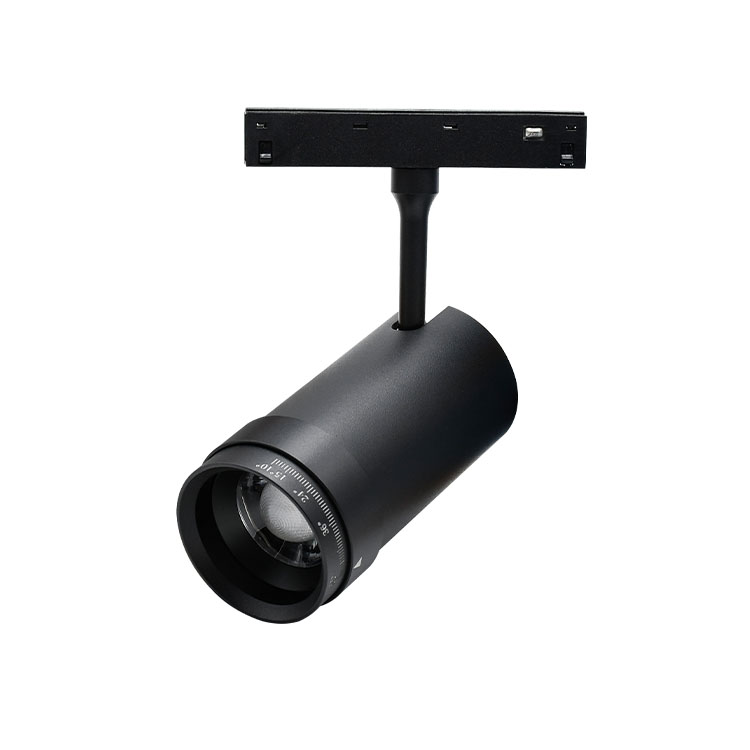
The Low Wattage Museum Black Magnetic Track Spot Light 10W shows how current design can guard valuable collections. Low-voltage magnetic track lights stand as key players in the lighting world. They use a Bridgelux chip. Power choices run from 5W to 30W. These fit various sizes. For museums, the 10W model hits a perfect middle point. It delivers plenty of light while keeping the heat very low.
Low-wattage units cut heat release by a large amount. This stops stress from warmth on touchy stuff like cloth or old sheets. The Bridgelux chip holds steady color show (Ra90+). Curators and guests can thus see hues right under set conditions. With power-saving run and long life, these parts aid green museum care. They drop upkeep costs and power use.
Precision Beam Control
Accuracy matters a lot when lighting art or old finds that need to be picked out with focus. A main part is its bendable beam angle shift. It handles spans from 10° to 55°, or set ones like 15°, 24°, and 36°. This lets keepers adjust each light to match the show’s needs. Narrow beams pick up fine surfaces. Wider ones cover full wall effects.
The anti-glare honeycomb build makes viewing easy. It tones down straight light bounces that might bother eyes or twist views. The honeycomb anti-glare setup cuts shine well. It makes light gentler and nicer. Paired with a focus that adjusts, these traits give museums top tech skills and light balance.
Beam Angle and Recommended Application
|
Beam Angle |
Recommended Application |
Effect Description |
|
10° |
Small sculptures, jewelry, fine details |
Extremely narrow beam, highlights fine textures |
|
15° |
Medium paintings, single artifacts |
Precise focus, minimal light spill |
|
24° |
Standard frames, display cases |
Balanced focus and coverage |
|
36° |
Grouped exhibits, wall art |
Even illumination, ideal for larger displays |
|
55° |
Large walls, ambient lighting |
Wide coverage, creates atmospheric effect |
Achieving Dramatic Visual Impact
Highlighting Details with Precision Lighting
Display planners often look for methods to stress small, skilled work without covering the item. The 10W Magnetic Spot Light permits aimed lighting. This pulls out surface depth. It works for paint strokes on oil paintings or shine on old statues. By setting beam angles from 10° to 55°, keepers can build scenes full of light-dark plays. These stir feelings yet keep true nature.
This kind of accuracy turns still setups into lively moments. Light affects how people read the display. Also, its magnetic fit system allows fast moves during show shifts. This suits turning collections or short-term displays that call for changeable plans.
Balancing Aesthetics and Preservation
Keeping things safe is the top job in any museum spot. The magnetic track line has a plain, straight build. It fits into any area without notice. This simple look matches new gallery builds. It joins display frames without standing out. With low-voltage guard (48V) and no-flicker light, it promises item safety along with guest ease.
By linking art sense with built accuracy, Sampo Lighting’s answers make deep settings. Here, each thing shows under the best setups. This matches the look with care strength.
Advantages of Using Sampo Lighting Products in Museums
Ultra-Thin and Slim Designs
Today’s museums like straight lines and hidden setups. These let shows be the main draw. The M26 Ultra-Thin Magnetic Track Series shows a plain look. It has a 26mm thin frame and a 6mm tight slot build. This very thin shape fits hidden on ceilings or case tops. It avoids sight mess.
Thin magnetic tracks boost the bend, too. Parts link by magnet or shift with little work, as shown in the plans change. The outcome is a smooth fit that keeps room for grace. It backs useful changes. This marks a sign of the top museum spots.
Conclusion
Adding Sampo Lighting’s Low Wattage Museum Black Magnetic Track Spot Light 10W to gallery areas gives top control over care rules and sight shows. Its mix of Bridgelux chip tech, shiftable optics, anti-glare ease, and neat magnetic hold brings exact lighting. This guards key items from heat harm.
Ready to elevate your museum’s lighting while preserving priceless collections? Explore Sampo Lighting’s range of low voltage , energy-efficient solutions and discover how our advanced magnetic spotlights can transform your exhibit displays. Visit our website to learn more and start illuminating your museum with precision and care today!
FAQ
Q: How does low-wattage lighting protect artifacts?
A: Low-wattage lighting minimizes radiant heat generation, reducing risks of warping or pigment degradation on sensitive materials such as canvas or textiles.
Q: What is the role of adjustable focus in museum lighting?
A: Adjustable focus allows curators to control beam spread precisely—highlighting specific areas without spilling excess light onto adjacent surfaces.
Q: Why is anti-glare important in museum settings?
A: Anti-glare designs prevent harsh reflections on glass frames or polished surfaces, ensuring viewers experience natural color fidelity without eye strain.
Q: How do magnetic flood lights differ from traditional lighting?
A: Magnetic flood lights provide tool-free installation flexibility; they can be repositioned easily along tracks for customized illumination patterns suited to evolving exhibits.
Q: What makes Sampo Lighting suitable for museums?
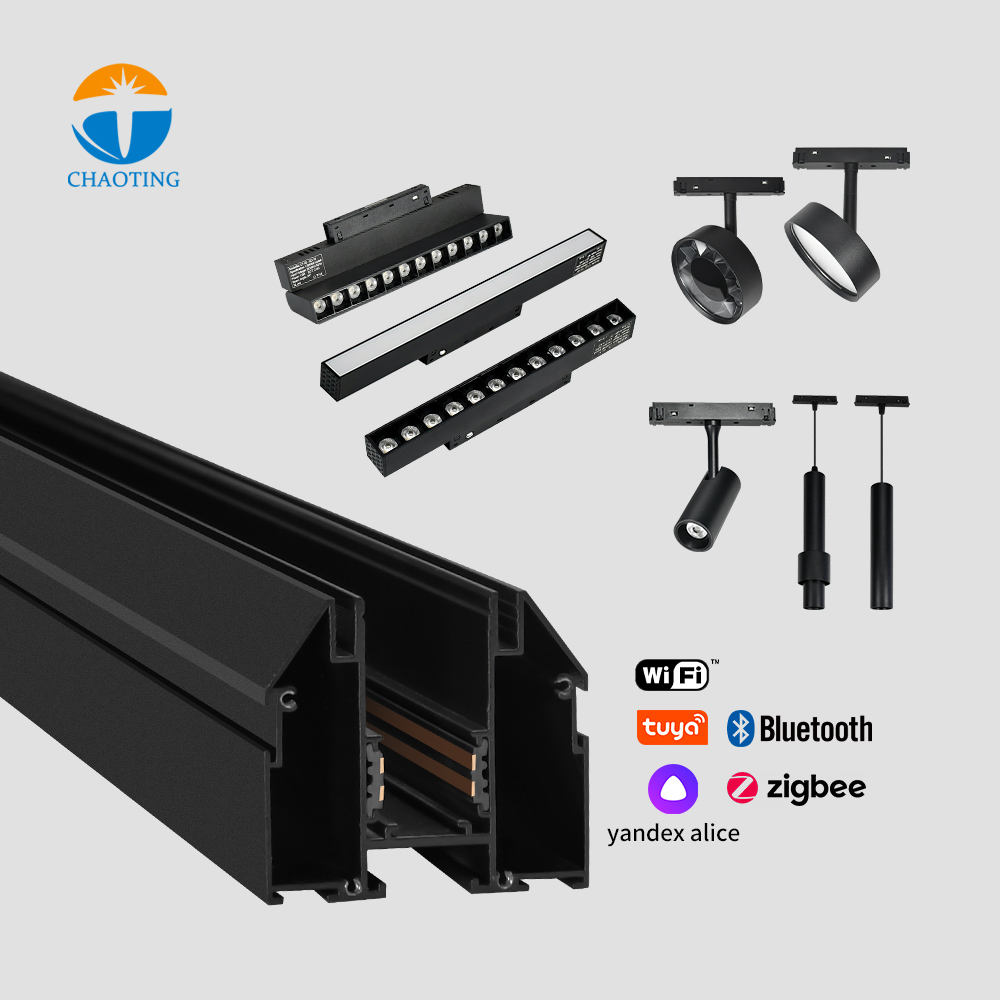
A: Our products combine intelligent control systems, low-voltage safety standards (48V), high color rendering accuracy (Ra90+), and ultra-thin modular designs tailored specifically for professional display environments.


